
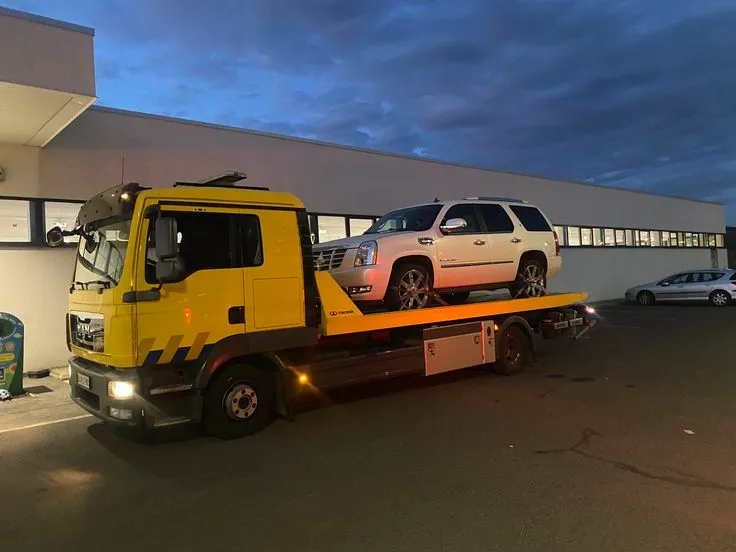
Moving to another city, purchasing a vehicle online, or sending a car to a family member can make vehicle transportation an important part of your plans. Door-to-door auto transport offers a convenient way to arrange vehicle pickup and delivery near your chosen locations.
GoldTrack Car Transport serves customers arranging vehicle transportation from Lakewood, Colorado, and can help them understand the steps involved in organizing a shipment.
What Is Door-to-Door Auto Transport?
Door-to-door auto transport is a shipping arrangement in which the vehicle is collected and delivered as close as reasonably possible to the requested addresses.
The exact pickup and delivery points depend on truck access, road conditions, parking restrictions, local regulations, and safety considerations. Large transport carriers may not be able to enter narrow residential streets or certain apartment complexes.
When direct access is not practical, the customer and transport provider can coordinate a nearby accessible meeting point.
Step 1: Request a Vehicle Shipping Quote
Start by providing the information needed to evaluate your shipment. This typically includes:
-
Vehicle make, model, and year.
-
Pickup and delivery ZIP codes.
-
Preferred pickup timeframe.
-
Vehicle operating condition.
-
Preferred open or enclosed transport.
-
Any special vehicle dimensions or handling needs.
Complete and accurate information helps the provider evaluate the shipment and explain the available options.
Step 2: Confirm Your Transport Arrangements
After reviewing your requirements, confirm the proposed price, service type, pickup arrangements, estimated timeline, payment terms, cancellation conditions, and applicable insurance information.
Ask whether the quoted service includes direct carrier transportation or broker-arranged transportation, if relevant. Review the written agreement carefully before authorizing the shipment.
Step 3: Prepare Your Vehicle
Remove personal belongings, document the vehicle’s condition with photographs, and leave only the agreed amount of fuel. Ensure the vehicle is accessible for loading and disclose any mechanical problems.
If the vehicle does not run, tell the provider in advance because special equipment may be necessary.
Step 4: Arrange Pickup
The driver or transport coordinator should communicate the expected pickup window and confirm a suitable location.
At pickup, inspect the vehicle with the driver and make sure any existing damage is recorded on the vehicle condition report or bill of lading. Keep a copy of the relevant paperwork.
Step 5: Track Progress and Prepare for Delivery
Transit time depends on distance, route, weather, traffic, carrier scheduling, and other conditions. Keep your contact information available so you can receive updates about the shipment.
Before delivery, confirm the meeting location and make sure you can inspect the vehicle when it arrives.
Step 6: Inspect Your Vehicle at Delivery
Examine the vehicle in good lighting and compare its condition with the pickup documentation. Photograph any new damage and document concerns on the delivery paperwork before signing, where permitted by the applicable process.
Follow the carrier’s written claims procedure and applicable deadlines if you identify a problem.
Benefits of Door-to-Door Car Shipping
This service can reduce the need to travel to a distant terminal, simplify scheduling, and make vehicle transportation more convenient for busy customers.
It may be especially useful for families relocating, people buying cars remotely, students moving between states, and customers sending vehicles to relatives.
However, door-to-door transport does not mean every carrier can access every driveway. A nearby safe meeting point may be necessary.